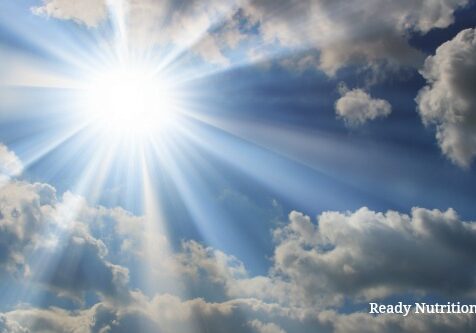
Natural forms of vitamin D are a must for our ongoing health. Here are some of the major reasons why you need as much sunlight exposure as you can obtain within reasonable limits and how you can remove the primary obstacles that could be in your way.
Vitamins and Nutrients
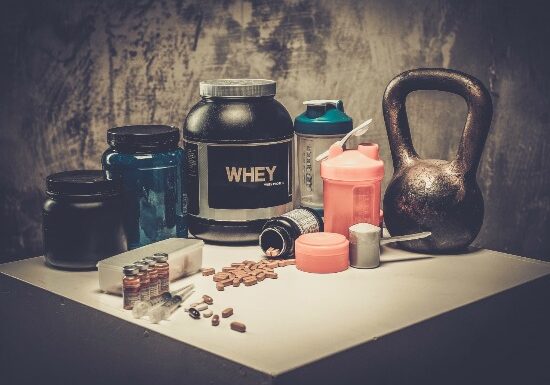
A Healthy Guide: The Right Way To Take Health Supplements
Taking your vitamins and supplements should not be a spur of the moment action, but a planned activity. Know what you’re taking and why, and compare a supplement’s components and capabilities with the times of the day and conditions under which you’ll be using it.
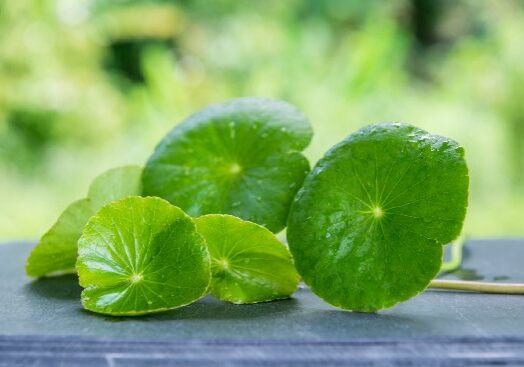
Boost Your Brain-Power With These Herbal Foods
The human brain is a marvelous apparatus that we are now only beginning to understand in terms of its capabilities and functions. There are some supplements that you can take that will help in terms of brain “improvement” that you may be interested in.
Dandelions – 4 Powerful Uses
Dandelions not only taste great – they’ve been used medicinally for thousands of years!

5 Quick Tips to Beat the Flu Season
Keeping your body in balance and following the five listed tips can assist you in keeping your immune system strong during the months it is under attack.
10 Essential Items You’ll Need to Survive in the Desert
Between the blistering heat, rough terrain, and lack of water or wildlife, the desert presents peculiar challenges that are not seen anywhere else.
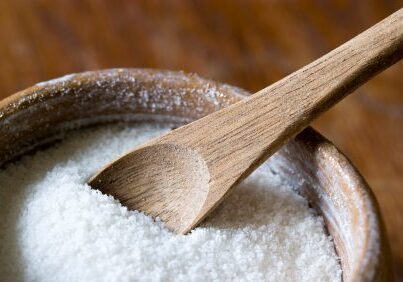
10 Health Benefits of Sea Salt
Sea salt contains the essential trace minerals that your body needs in order to stay healthy. Learn about the 10 health benefits this salt from the sea can provide.
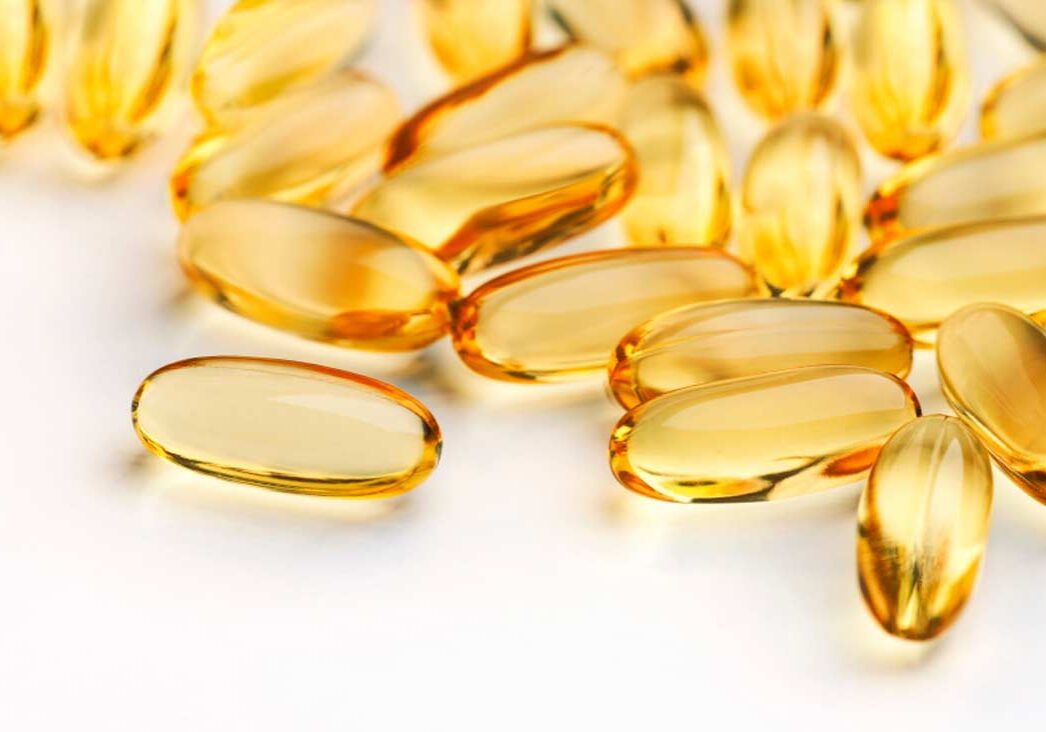
13% Of U.S. Deaths Attributed to Low Vitamin D Levels
There was a time when vitamin D was considered the “skeletal” vitamin. Low levels were linked to rickets and osteoporosis. But vitamin D may be an issue of life and death
14 Foods For Healthy, Glowing Skin
Eating a balanced diet and staying adequately hydrated are crucial for overall health and wellness, and when it comes to skin health, there are some foods are true superstars.
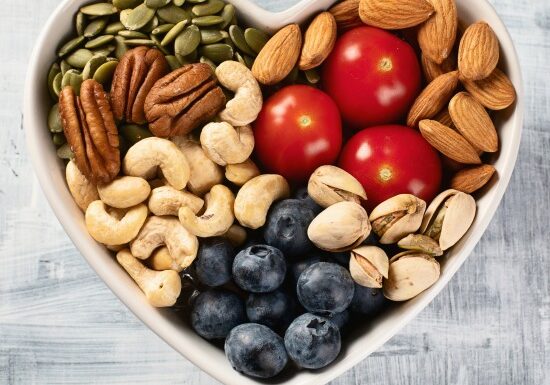
19 Foods That Eat the Stress Away
There are many ways you can reduce or manage the stress in your life. Good nutrition is one of them. Believe it or not, there are foods you can eat that have shown to have stress-reducing properties.
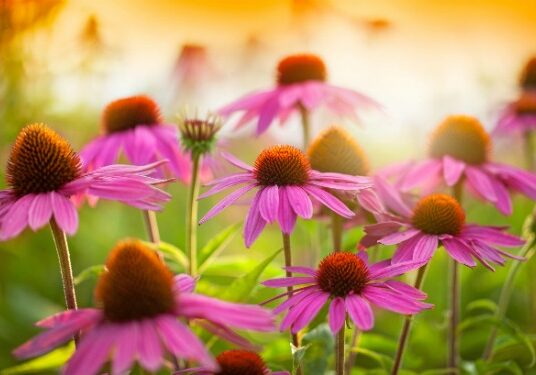
4 Healthy Reasons Why Echinacea is a Wondrous Medicinal Herb
Echinacea is perhaps most widely used as an herbal remedy to help fight off colds or the flu once ill. It’s often used in a tea or as a supplement to boost the body’s natural immune system, yet it has even more incredible health benefits even if you aren’t sick with a cold!