As many are beginning to take interest in buying seeds in order to secure their future, there is confusion as to what type of seeds to buy. Seed packages contain confusing acrononyms such as GMO, Non-GMO , and heirloom seeds; so what does it all mean?
Food Security in Seeds
If you are purchasing seeds for long term food security, ensure that you invest in heirloom open-pollinated or non-hybrid (non-GMO) quality.
Heirloom or Open Pollinated Seeds (Non-GMO)
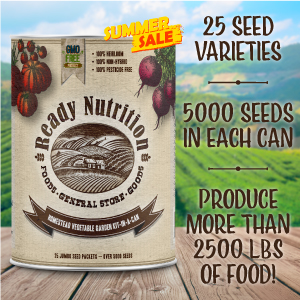
Heirloom seed varities are an open pollinated seed developed before 1940. These type of seeds are bred for their flavor and not their durability while being shipped. Additionally, these types of seeds will produce fertile seeds that can be saved for subsequent growing seasons. This is the preferred seed variety that preppers and survivalists are storing as one of their long term survival items. These seeds are the ones that will continually produce viable seeds.
Genetically Modified Seeds (GMO)
Seeds from a genetically modified variety are a hybrid of two separate varieties that have different genetic make up from it’s parent plant. As the plant matures, the seeds produced from the plant will either be sterile, or start to revert back to the parent plants. Furthermore, the seeds that have been genetically modified have been so to be disease resistant, insect resistant, and drought resistant is some cases. However, these type of seeds are not good choices because while the seed is created a pesticide known as bacillus thuringiensis or BT, is created inside it in order to keep insects away. The reasoning behind this idea was to create more plentiful crops. The problem is that the finished product is a seed that holds pesticides inside it that will kill off any insects (even the beneficial insects). These are not the best choices for survival seeds due to the BT pesticide and the seed that is produced from the mature plant will be sterile.
Survival Insurance
If planning for a long term survival situation, I recommend purchasing all seed types. Use the GMO seeds to start an emergency garden where you know the seeds used are created to produce fruit. Then use your non-GMO or heirloom varieties for long term sustainability to collect seeds for the next harvest. Long term survival encompasses items that will sustain a person or family for years, and MRE’s, canned goods and dehydrated food can only get a person so far. If a person has a way to create food for years to come, then they have the necessary survival insurance that can keep them alive and healthy for the long haul.
This article was originally published at Ready Nutrition™ on January 17th, 2010

Wonderful post . Good work.
Very informative. I’ve been thinking about buying my own seeds, and I didn’t know what the difference was between the different types of seeds.
Misty,
The different types of seeds can get confusing. In fact, many believe that organic seeds are an option as well. All that organic seeds really are, is the envornment in which the seeds were grown. If they are not non-gmo or heirloom, stay clear of them. In a survival situation, a person wants to feel confident in their food supply. And that means having seeds that will produce fertile seeds for the next harvest.
Thanks for posting.
Try to stay away from GMO seeds. They contain insecticides which can over the years cause detrimental effects.
Also, we stay away from canola oil, as it typically will be from GMO growth. We usually use almond oil – – mostly from almond trees which are GMO-free. In fact, we use almond oil as a butter replacement. Very light taste and very effective in frying meats, vegetables, etc.
not to mention that GMO foods have been shown to be dangerous and even poisonous to lab animals. if you eat the gmo foods you also eat pesticides…
Here’s another article that simply explains the difference between heirloom seed, gmo’s and hybrid seeds. http://www.virtualfarmseedco.com
They sell heirloom non gmo seeds too.
The following quote from your information is in error: “Seeds from a genetically modified variety are a hybrid of two separate varieties that have different genetic make up from it’s parent plant.” Change the word “varieties” to “species”/”kingdom” and you’ll have it right. What you have described as written is a hybrid.
Do you have a favorite company to order seeds from? Who has the best $ on heirloom and non-GMO seeds?